Memory Memo vol. V
Memories as a third space

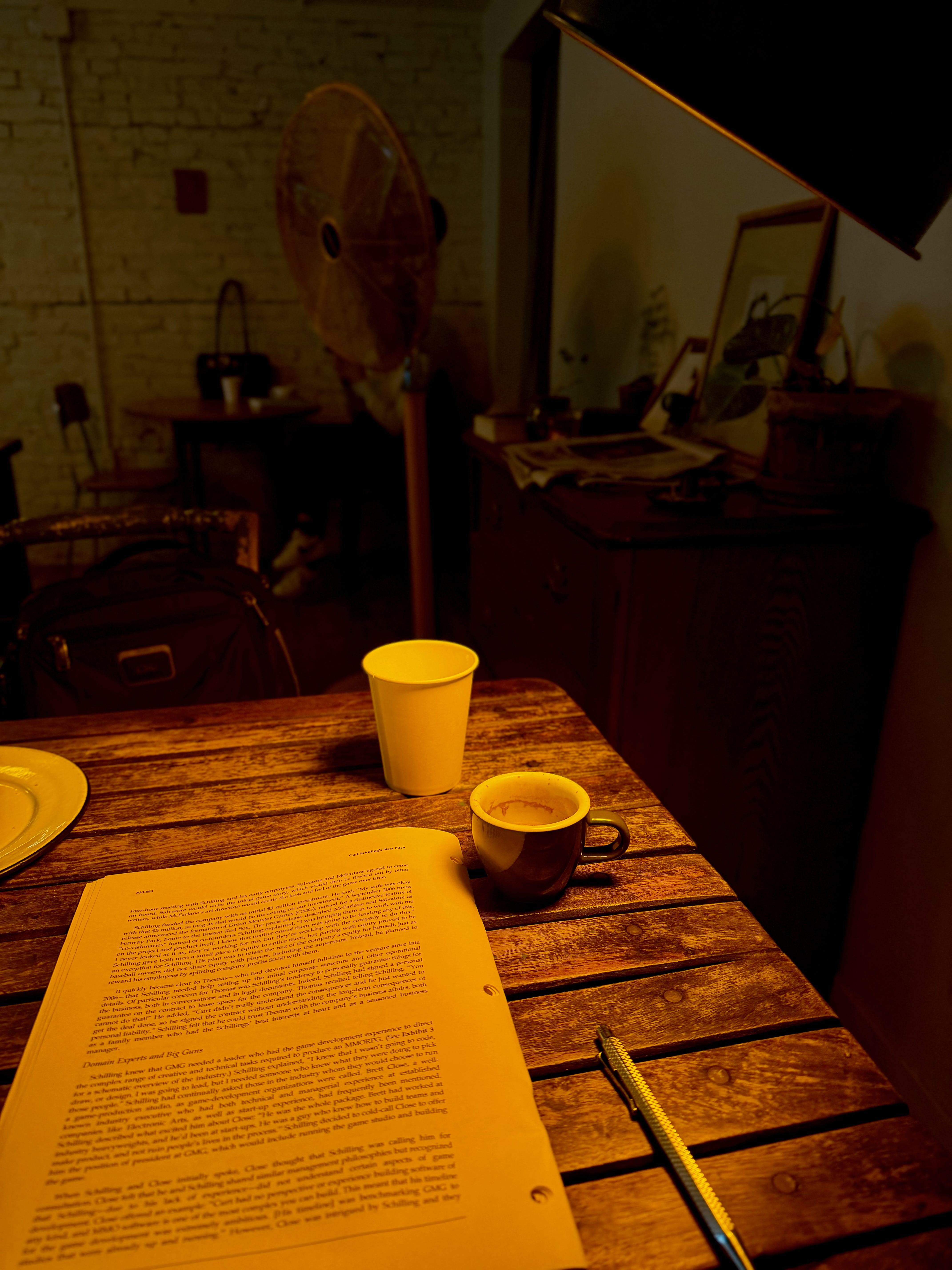
The concept of a ‘third space’ was coined by Ray Oldenburg in his 1989 book The Great Good Place. Third spaces are social environments separate from our two usual social environments of home and work.
They have some key characteristics:
They are neutral ground, where people can come and go at will
They usually level social status
Conversation is the main activity
They are accessible and accommodating
They have regular visitors who give the place its character
They usually have a specific ‘vibe’
They can feel like a ‘home away from home’
This is what Starbucks set out to build, and it is certainly what many of my local coffee shops have felt like to me.
However, I would argue that our memories offer us a third space too.
Memories are portals for us to re-imagine and re-engage with our past. They are neutral spaces for us to inhabit. Each time we re-engage with a memory we invent it anew!
Memories are accessible to all of us, stories are probably the greatest social leveler and connector that we have.
We often connect with memories through story-telling, through conversations with friends old and new. Memories are how we define ourselves and so they can be how we share ourselves with others.
Although many of us lose memories over time, the ones we hold remain available to us - for comfort or contemplation - at any time!
There are certain figures, places, songs, motifs that return in our memories again and again - memories, like history, often rhyme rather than repeat.
Our memories often reflect eras of our life, or they can imbue themselves so deeply with our character, that their hue could be nothing but our own.
Memories can be moments of great comfort, looking back for nostalgia, or they can be liminal spaces to look back from, places where we learn and grow toward our future.
Memories hold a third space - not in the physical places we move through every day, but as part of our inner life and our collective culture.
That is why a healthy relationship with our memories is so important, and why we deserve a better way to preserve them as we go through life, so that we always have a third space to attend.
I resonate with your insight; what if memory, as a truly neutral space, could actively redefine social levelling each time we reengage with it?